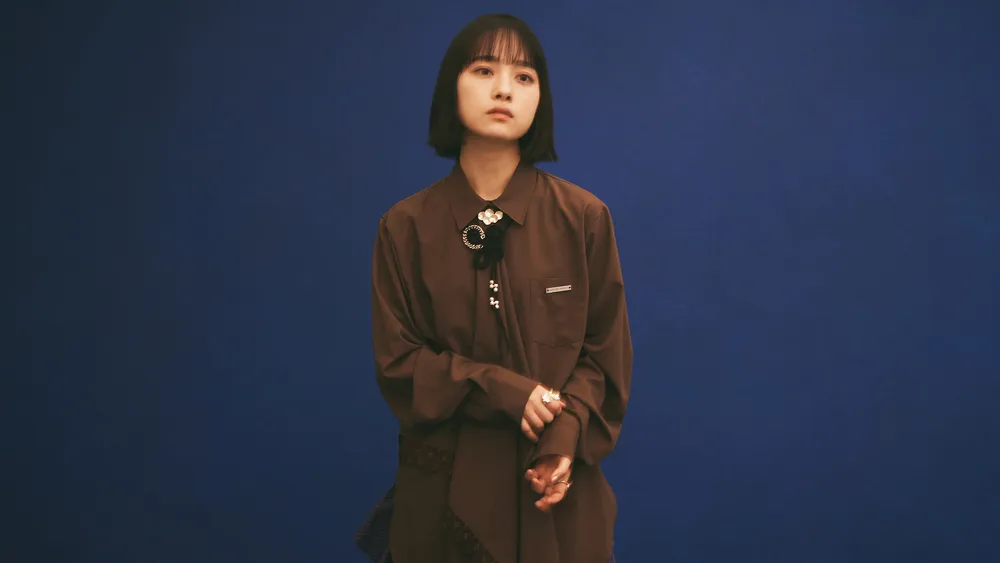
Interview: TOMOO on Journal With Witch Opening, New Album, and More
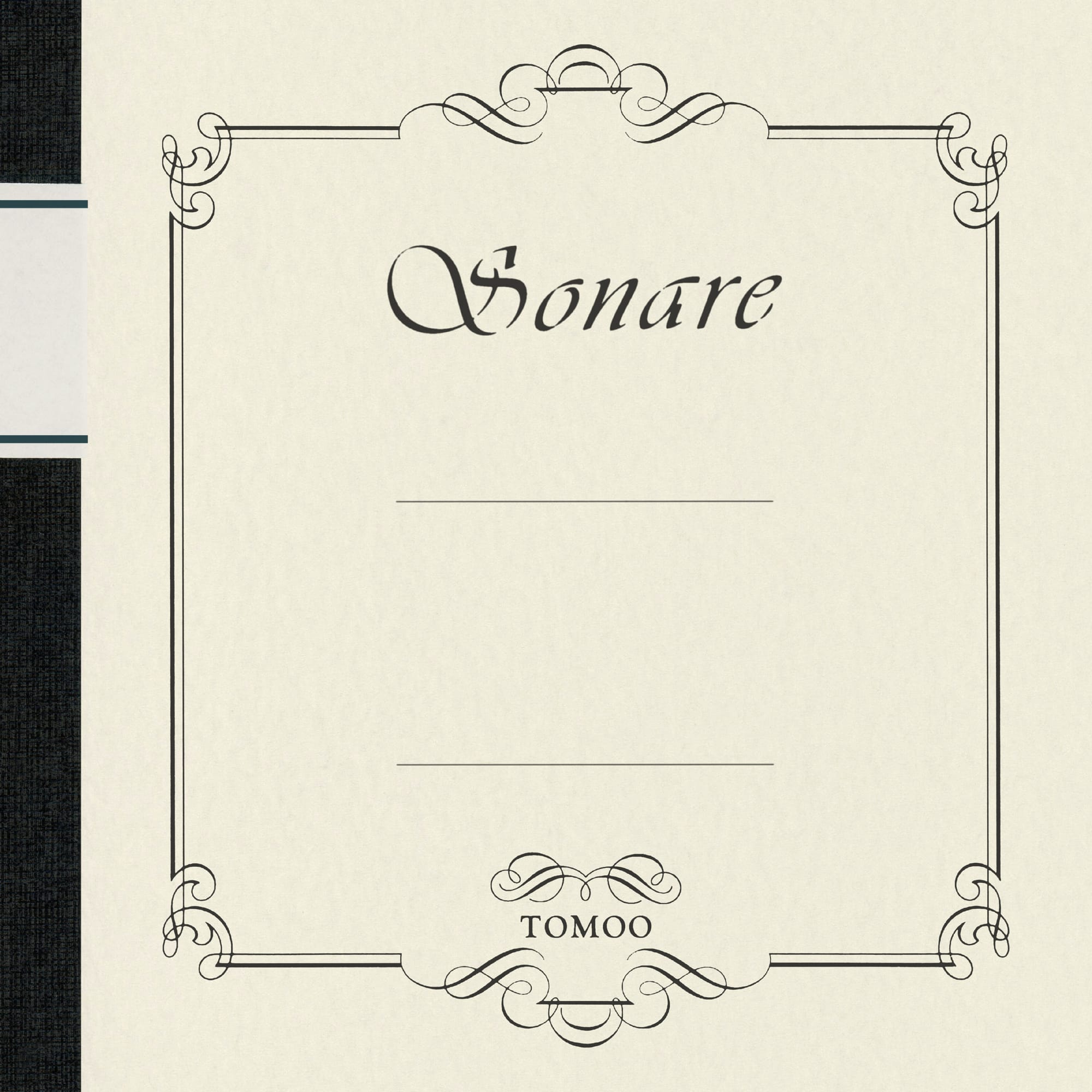
The Winter 2026 anime season has been filled with high-profile releases, but one particular title has quietly managed to stand out and earn the love of the community—Journal with Witch or Ikoku Nikki. Adapted from Tomoko Yamashita’s manga of the same name, the series draws viewers in with its emotionally grounded storytelling, deeply relatable characters, and themes that feel painfully close to home, such as grief and loss. However, one cannot talk about Journal with Witch without also mentioning its opening theme song, “Sonare” by TOMOO, which beautifully captures the delicate and gentle atmosphere of the anime.
The Tokyo-born musician—who released her second album titled DEAR MYSTERIES on November 12, 2025—is no stranger to the anime music scene, having previously contributed “Contrast” to Blue Box and “LUCKY” to CITY THE ANIMATION. For Journal with Witch, she created “Sonare,” a gentle ballad that, much like the anime itself, pulls at the heartstrings of fans around the world, cementing TOMOO as one of the most exciting rising stars in the anisong industry today.
We were fortunate enough to have the opportunity to speak with TOMOO about “Sonare,” the DEAR MYSTERIES album, her approach to songwriting, and more.
Q: First of all, congrats on the release of “Sonare”! How do you feel about the warm reception, both from the Japanese listeners and overseas, so far?
TOMOO: Every time I see reactions to the song, I get the impression that everyone is receiving it with such pure, cherished feelings, and I'm truly grateful for that.
What really stands out are comments from fans saying, “Hearing the song made me want to watch the anime Journal with Witch, and once I started watching, I got completely hooked.” Conversely, I've also found many comments from fans of the work itself positively interpreting the connection between the song and the series. This brings me relief, and as a fan of Journal with Witch myself, it makes me especially happy.
Also, for several years now, I've heard through the staff that “people overseas, including in Indonesia, are listening to it.” This time, with it being an anime theme song, I'm delighted to have gained a new opportunity for people overseas to hear it.
回答
楽曲の感想を見かけるたび、皆さんがなんというか、この曲をとてもピュアな気持ちで大切に受け取ってくださっているような印象があり、ありがたいなと感じています 。
印象的なのは、「曲を聴いたことでアニメ『違国日記』を見てみたくなり、見始めたらすごくハマった」というファンの方の声です 。逆に作品のファンの方からも、楽曲と作品の交わりについて好意的に捉えてくださるコメントをいくつも見つけたので、ホッとしていますし、『違国日記』のいちファンとして余計に嬉しいですね 。
また、数年前からスタッフを通じて「インドネシアをはじめ海外の方も聴いてくれているよ」という話は聞いていたのですが、今回アニメ主題歌という形を伴って、改めて海外の方にも聴いていただくチャンスが得られたことを嬉しく思っています 。
Q: How and when were you first approached about contributing a theme song for Journal with Witch, and what was your initial reaction when you received the offer?
TOMOO: I believe it was sometime between spring and summer of 2024 when I first heard about the project. While I was simply thrilled, I also felt this work wasn't just someone else's story—it felt like a story “for me.” It struck me as an exceptionally personal connection, so I absolutely wanted to write the song. At the same time, I felt a bit nervous, wondering if I could truly do it justice.
回答
最初にお話をいただいたのは2024年の春から夏ごろだった気がします 。単純に嬉しかったのもそうですが、この作品は自分にとって「他人事ではない」というか、「フォーミー(For me)な物語」だと感じました 。なかなかない度合いの「自分ごと」感だったので、絶対に曲を書きたいと思ったし、同時に、ちゃんとできるかなという意味で少し緊張もしました 。
Q: In your comment on the anime’s official website, you mentioned hearing “a melody like notebook pages being turned by the wind, opening toward the past and the future,” which led to the creation of “Sonare.” Could you talk more about that image and how it shaped the song?
TOMOO: First, I think the intro is literally shaped like those words. It's an intro made up of intricate arpeggios and chords, and that connects to the image of pages flipping rapidly with a “parara...” sound.
Also, the chord progression here gradually “descends,” doesn't it? The piano maintains the same rhythm and shape while moving step by step downward. I think this movement was born in tandem with the sensation of “looking back, going back to the past.”
Incidentally, the narration at the beginning of the first volume of the manga Journal with Witch—“That day, that person, with eyes like a wolf separated from the pack, rejected my fate of utter loneliness.”—as later revealed, these are the morning words written in the diary being written in the past tense as a recollection also directly influenced the intro's emotional tone, I believe.
Conversely, in the chorus, it gradually ascends. The step-by-step climbing motion during “approaching” and “morning comes” feels more like moving toward the future. So, I personally feel it opens up in both directions—toward the past and toward the future.
回答
まず、イントロがその言葉通りの形になっているんじゃないかと思っています 。細かいアルペジオとコードの刻みでできているイントロなのですが、それがページが「パラララ...」と早いスピードでめくれていく動きのイメージとリンクしています 。
また、ここでのコード進行は、だんだん”下がっていく”んですよね 。ピアノが同じリズム・形を刻みながら、一段ずつ下へと向かう動きは、「過去へと遡っていく、振り返る」ような感覚と連動して生まれたんだと思います 。
ちなみに、漫画『違国日記』1巻冒頭の語り(「あの日、あの人は群をはぐれた狼のような目で わたしの天涯孤独の運命を退けた。」=後からわかりますが日記に書かれた朝の言葉)が、過去形で回想を綴る形であったことも、かなり直接的にイントロの情感に影響したと思います。
そして、反対に、サビではだんだん上がっていくんです 。「かけてくる」「朝がくる」のところで一段ずつのぼる動きは、未来に向かうような感じがします 。なので、過去と未来どちらの方向にも開いていくような感じがする...というふうに自分では思っています。
Q: When you were working on “Sonare,” did the anime production team or Tomoko Yamashita-sensei, as the original creator, share any specific inputs or directions for the song?
TOMOO: The director gently requested that I “prioritize Asa’s perspective.” What they meant was that even if someone were to listen to or sing this song in the morning, it should feel like something that could naturally happen. But first and foremost, they told me to create it however I envisioned it.
Also, the director mentioned liking my existing song, “Awaini”. I did start composing “Sonare” with the thought in the back of my mind that the director might have also caught the way of thinking or perspective conveyed in the lyrics of “Awaini”. It wasn't that I was trying to make a song directly similar, but perhaps the vague image of light shining that floats in my mind, for example, shares just a tiny bit of common ground between the two songs.
回答
「朝(あさ)の視点を大事にしてほしい」というようなリクエストを監督からやんわりといただいていました 。というのは、たとえば、もし朝がこの曲を聴いたり歌ったりしたとしても、それが自然に「ありうること」と感じられるようなような曲であってほしいと 。ですが、まず大前提としては思うように作ってくださいと言っていただきました 。
また、監督が私の既存曲である『あわいに』を好きだと言ってくださっていて 。監督は、『あわいに』の歌詞にあるような「ものの考え方」や「捉え方」もキャッチしてくださっているのかも...ということを頭の片隅に置きつつ『ソナーレ』を作り始めた節はあります 。
直接的に似た曲を作ろうとしたわけではないですが、たとえば漠然と脳内に浮かぶ「光がさしているイメージ」などは、両曲の間でほんの少し共通しているかもしれません 。
"Sonare" Official Audio
Q: Similar to how “Contrast” reflects Hina’s emotional perspective in Blue Box, “Sonare” also centers on a specific character—Asa, who finds herself lonely before beginning her life with Makio. When writing music for an anime, how do you decide which character’s inner world to place at the center of a song? And in the case of Journal with Witch, what led you to approach the song from Asa’s POV rather than another character’s?
TOMOO: Starting from the request, I initially began writing while imagining Asa's perspective. But fundamentally, for me, Journal with Witch is a story about my own experiences, and honestly, I actually lean more toward empathizing with Makio. With that background, I also found parts I could relate to in Asa, and I felt a broader familiarity with the people of Journal with Witch as an ensemble cast including other characters. So, in the lyrics as a whole, I think the perspectives of Asa, Makio, the other characters, and myself are reflected in a way where the boundaries are somewhat blurred.
The second verse especially reflects words stemming from my own background and personality, along with thoughts that just popped into my head during daily life. That's probably why the tone of my singing voice changes a little bit from the first verse.
Ultimately, I wrote it while envisioning something like “what gets passed down,” “what gets relayed,” not confined to just one generation, thinking about “the hope of the entire story, the dawn.”
回答
リクエストを起点としてはじめは朝の目線を想像しながら書き始めましたが、そもそも私にとって『違国日記』は自分ごとの物語であり、かつ、実はどちらかというと共感するのは槙生(まきお)寄りなんです 。その背景があった上で、朝に対して共感できる部分もあり、さらに広く他の登場人物たちも含めた”群像”として『違国日記』の人々に親しみも感じていたので、歌詞全体においては、朝、槙生、そのほかの登場人物たち、そして私自身の視点が、境界がやや曖昧な形で反映されたような形になっていると思っています。
特に2番の歌詞には、私自身のバックグラウンドや性格からくる言葉、日々の中でふと思ったことなども、反映されています 。だからか、少しだけ歌声のトーンも1番から変化していますね。
最終的には、一世代だけにとどまらない「受け継がれていくもの」「リレーしていくもの」というようなイメージで、"物語全体の希望、夜明け"を思いながら書き上げました 。
"Contrast" Official Music Video
Q: “Contrast” for Blue Box feels emotionally overflowing, “LUCKY” for CITY THE ANIMATION sounds catchy and upbeat, and “Sonare” is much calmer and gentler, fitting Journal with Witch beautifully. When you write anime theme songs, do you actively create the song around the original work, or do you start from a more impulsive, instinctive place and let it naturally resonate with the story and its vibes?
TOMOO: I believe both axes exist. First, I read the original work repeatedly until it sinks into my being. Sometimes, I jot down several pages of notes in a notebook about memorable lines or insights I notice, then organize and synthesize them. However, it's not like the lyrics logically come together by piecing those notes together like a puzzle. Ultimately, there's often a moment when a phrase I'm humming naturally pops into my head, and that becomes the core of the song.
In other words, it's often a pattern where the intuitive core and the organized notes combine and start moving. For “Sonare”, the intro that naturally surfaced when reading the work and feeling my chest tighten became the core and the starting point for creating the song.
回答
両方の軸があると思っています 。まずは自分の中に染み込むまで原作を何度も読み込みます。場合によっては、印象的なセリフや気づいたことをノートに何ページかメモし、整理してまとめていく作業をすることもあります。
ただ、それらをパズルのように組み合わせて論理的に歌詞ができあがるわけではなく、結局は、口ずさむフレーズが自然にふっと自分から生まれてくる瞬間があって、それが曲の核になることが多いです。
つまり、直感的な核の部分と、整理しメモしたものが、組み合わさって動き出す...というパターンが多いですね 。『ソナーレ』に関しては、作品を読んでいて胸が締め付けられるような気持ちになった時に自然と浮かんできたイントロが、曲作りの核であり、入り口になりました。
"LUCKY" Official Music Video
Q: From the line “But inside my bag, there’s the smell of coffee” in “Wearing Raindrops” (“雨粒をつけたまま”) to “With mismatched mugs, at the edge of a table where they face each other” in “Sonare,” you often capture simple daily moments and objects in your lyrics. What draws you to this approach or style in songwriting?
TOMOO: It's quite difficult to explain, but ever since I was young, whenever I talk about abstract things—not just lyrics—I naturally tend to overuse concrete metaphors: “small metaphors” like objects, scenery, colors, or shapes. I suppose my way of perceiving things has always been quite visual and sensory at its core. Conversely, I've also had this habit for a very long time of seeing connections between my current psychological state and the scenery or objects around me, or finding some kind of meaning in them.
Also, fundamentally, I prefer lyrics with a “tangible” feel. When music—which is essentially just sound—is linked to different senses like smell, sight, or touch, it gives me a sense of security, like it's something I can grasp. It also stimulates my senses and is enjoyable.
回答
説明するのがなかなか難しいのですが......自分は昔から、歌詞に限らず、抽象的なことについて話す際には、具体的な物の喩え——物体や景色、色や形などといった「ささやかな喩え」を自然と多用してしまう癖があるんです 。たぶん、自分の物事の捉え方は元々かなり「視覚的・感覚的」なんだと思います 。そして逆に、景色や物を見ても、そこに自分のその時の心理状態とのリンクや、なんらかの意味を見出す癖も、ずいぶん昔からあります 。
また、そもそも好みとして「手触りのある歌詞」が好きなんです 。音だけの音楽に、嗅覚、視覚、触覚といった異なる感覚が結びついている状態は、私にとって、”掴みどころがある”という安心感もあるし、感覚が刺激されて楽しいことなんだと思います 。
Q: “Sonare” feels very close in atmosphere to the overall mood of your newest album—DEAR MYSTERIES. Do you think the mindset or headspace you were in while making the album still lingered when you created “Sonare” and influenced the tone of the song?
TOMOO: The production timing for “Sonare” was several months earlier than the album, so there's no direct influence, but I think there are common elements. For example, in specific songs, the tranquil atmosphere with classical sentiment like “Lullaby to My Summer,” or the gaze that contemplates simple scenery found in “Takadai,” written during my teens, seems to exist in “Sonare” as well.
Furthermore, while “Sonare” was written as I approached my thirtieth birthday, its image of a “story transcending generations” and the visual imagery evoked by the diary item—like the “classical notebook cover”—also align with the atmosphere of the album DEAR MYSTERIES.
回答
制作タイミングはアルバムよりも『ソナーレ』の方が何ヶ月も前だったので、直接の影響はないですが、共通項のようなものはあると思います 。たとえば具体的な曲でいうと、『Lullaby to My Summer』のようなクラシカルな情緒を伴う静謐な空気感や、10代の頃に書いた『高台』が持つ素朴な景色を見つめる眼差しは、『ソナーレ』にも共通して存在する気がします 。
また、「ソナーレ」は30歳を目前にして書いた曲ではありますが、”世代を超えていく物語”というようなイメージや、日記というアイテムから想起される「クラシカルなノートの表紙」といった視覚的イメージも、アルバム『DEAR MYSTERIES』がもつ雰囲気と共通しているように思います。
Q: I personally felt that DEAR MYSTERIES has two distinct phases. The first half, up to “LUCKY,” feels more pop-oriented and cheerful, while the latter half, from “Wearing Raindrops” onward, becomes more somber and ballad-focused. Was this contrast something you consciously shaped when sequencing the album, and if so, what kind of flow were you hoping to create across the record?
TOMOO: I didn't intentionally polarize the first and second halves. The order gradually solidified based on factors like the compatibility between adjacent tracks and the individual circumstances of each song—such as “I want this song placed early in the album” or “This song definitely belongs toward the latter half or end of the album.” That's how this track order came about.
While there were more mellow ballads than the previous album, it may have coincidentally resulted in that shape and impression because several of those deemed suitable for the latter half happened to cluster together. Beyond that, if I had to point to something else, perhaps the flow of placing brighter, more open songs early on, and then introducing deeper ones after that might have emerged as a very natural rhythm.
回答
意図して前半と後半で二極化させたわけではありませんでした 。前後で隣り合う曲同士の相性や、「この曲はアルバム序盤に置きたい」「この曲はきっとアルバム後半〜最後の方で聴くのにふさわしい」といった、各曲の事情によってだんだんと曲の位置が定まって、結果的にこの曲順になりました 。
前回のアルバムよりもしっとりしたバラードは多めでしたが、たまたまそれらのうち、後半にふさわしいと考える曲が重なったりしたことで、そのような形・印象になったのかもしれません 。あとは、強いていえば、明るく開けた曲を序盤に持ってきて、それを経た上で深いものを登場させる...という流れは、ごく自然な呼吸として生まれてしまったのかもしれませんね 。
Q: DEAR MYSTERIES includes several older songs that you wrote back in your high school and college days, such as “Wearing Raindrops” and “On the Hill” (“高台”). As someone who has grown and evolved over the years, how did it feel to revisit these songs and come face to face with your past self while working on this album, both as a person and as an artist?
TOMOO: Among the older songs, I included ones I felt I could still sing today in their universal essence. So in a way, I thought, “I haven't changed much.” Of course, I've matured and changed compared to back then, but the fragments of truth I once contemplated or tried to grasp surely weren't wrong. Even now, nearly 15 years later, it feels like I've gotten the answers right—like “Yeah, that was it.”
For example, the circumstances back then and where I stand now are completely different, but the things I mustn't forget remain the same. If I could speak to my past self, I'd tell them “good job” about the landscapes I saw—including those seen with my heart's eye—and the richness of my imagination.
回答
古い曲の中でも、今の自分でも普遍的な部分で歌うことができると思った曲をアルバムに入れました 。なので、ある意味「変わってないなぁ」と思いましたね 。もちろん自分自身が当時と比べて成熟したり変わった部分はありますが、昔思ったことや捉えようとした真理の片鱗みたいなものはきっと間違ってはいなくて、15年近く経った今でも「やっぱりそうだったな」と答え合わせができたような感覚かもしれません。
たとえば当時の状況と、今の自分が立っている状況は全く違いますが、忘れてはいけないことは共通しています 。もし過去の自分に声をかけるとしたら、(心の目も含めて)自分が見ていた景色や「イメージの豊かさ」については、「いいね」と言ってあげたいですね 。
Q: I noticed the album cover depicts small blue objects collected in a bird’s nest. Could you talk about the meaning behind the cover art and the title DEAR MYSTERIES itself?
TOMOO: The title represents something like an obsession—a “mystery,” a “clue to truth” that feels almost within reach yet remains elusive, something I've long been preoccupied with. Or perhaps it's a ‘secret’ tucked away deep within my heart. Using the singular form “mystery” might evoke images of detective stories or some vague, grand mystery. But that wasn't my intention. I wanted something more intimate, something that cherished specific episodes and tangible, tactile imagery. That's why I chose the plural form.
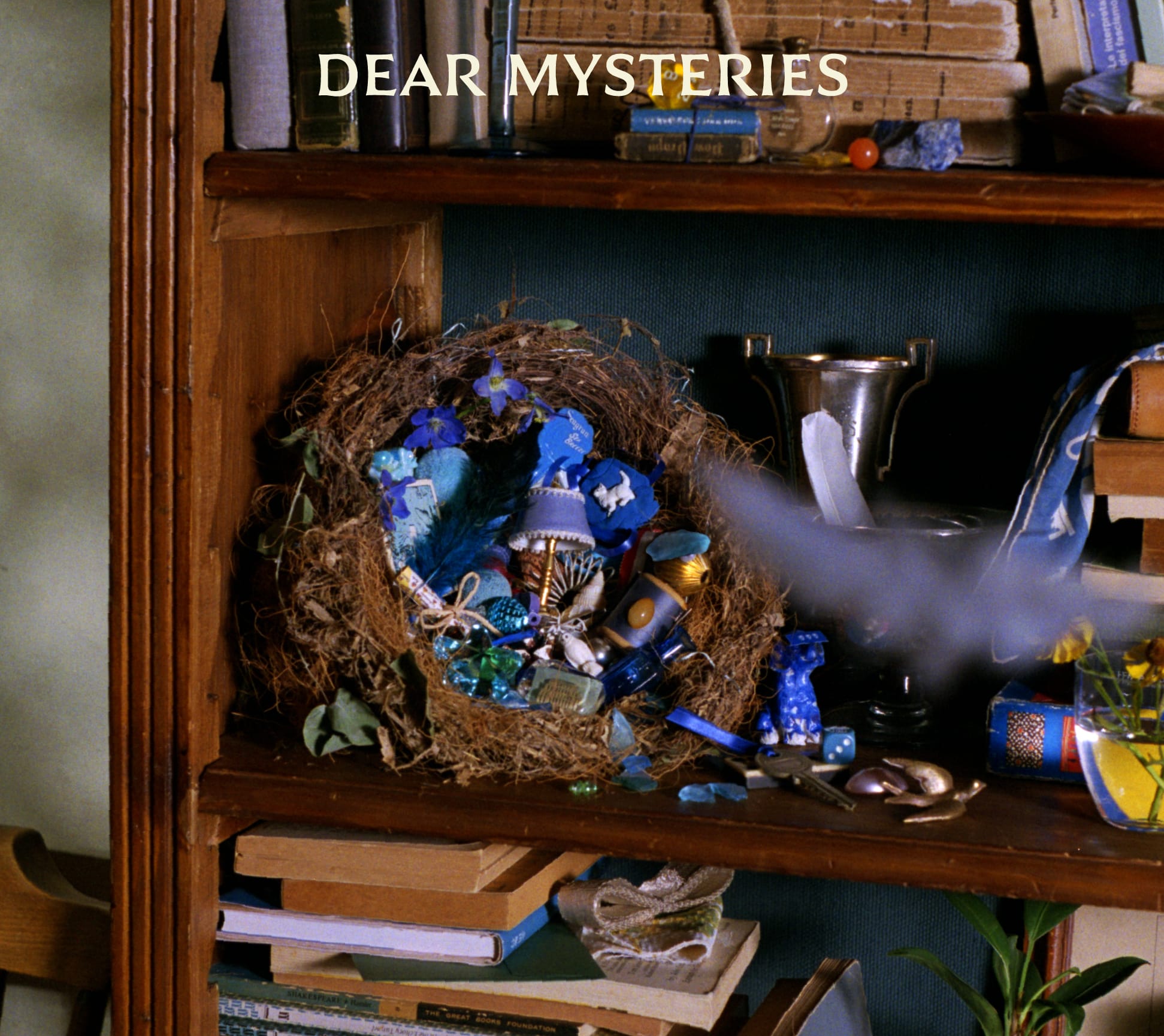
Throughout my life, I've found hints for contemplating universal truths in the “fragments” of everyday scenes I encounter. Thus, I see the word “Mysteries” as encompassing not just one, but many such fragments, each carrying an image of a “hand-held size.” I added “Dear” as if affectionately addressing these mysteries.
The jacket design expands on my vision, brought to life by art director yot (Naoko Sato). The theme is birds quietly gathering treasures for themselves in their nests. Yet, strangely, these nests are built in mysterious, hidden places like the back of a bookshelf in a room. They're filled with items like junk and flowers—things that surely feel like treasures to those birds. This connects deeply with my idea that fragments are treasures. Incidentally, the abundance of blue might be because yot knew I love that color.
回答
タイトルは、自分にとって掴めそうで掴めない、でも長らく気になっている執着のような「謎」「真理への手がかり」、あるいは心の奥にしまっている「秘密」のことを表しています 。単数形かつ1ワードで「ミステリー」だと、推理物語のジャンルだとか、漠然と大きい神秘のようなものをイメージしてしまいそうですが、そうではなく、もっと身近で、固有のエピソードや手触りのあるイメージを大切にしたかったので複数形にしました 。
わたしはこれまで、日常において出会うささやかな景色などの”断片”を頼りに、普遍的な真理について考え始めるヒントをもらってきたので、一つではなくいくつもあり、「手で持てるようなサイズ感のイメージ」も伴う言葉として、Mysteriesという言葉をとらえています。そしてそれらに対し愛情を込めて呼びかけるように「親愛なる(Dear)」とつけ加えました 。
ジャケットは、そういった私のイメージを、アートディレクションのyot (Naoko sato) さんが膨らませてくれたものです 。鳥が、鳥自身にとっての宝物をひっそりと巣に集めているというテーマなのですが、なぜかその巣は「部屋の本棚の奥」という、不思議かつ奥まった場所に作られていて、ガラクタや花など、きっとその鳥にとっては宝物なんだろうと感じられるようなアイテムが集まっています。
先述の、私にとっての”断片”がすなわち宝であることと、すごくリンクしていますね。ちなみに、青いものが多いのは、私が青を好きなことをyotさんが知っていてくれていたからかもしれません。
Q: You’ve just wrapped up your sold-out hall tour, which became the biggest tour of your career so far. Congrats! After experiencing Nippon Budokan and then performing across large halls around the country, what feels different for you as a performer compared to your earlier tours? And with DEAR MYSTERIES featuring many soft, delicate songs, how was your approach in bringing those intimate moments to life in large hall venues during this tour?
TOMOO: The Budokan concert (a 360-degree live show surrounded by fans, featuring the largest lineup) had a celebratory atmosphere packed with the band's history, whereas this tour, held in various halls across the country, fostered a different kind of intimacy. Compared to the Budokan, the smaller capacities of each venue brought us closer to the audience. We could see each person's face more clearly, and the atmosphere felt less like a flashy, lively show and more like “carefully delivering each song, one by one,” suited to the hall environment.
Furthermore, the new lineup—drums, bass, guitar, keyboard, plus percussion, cello, trumpet, and saxophone—had an atmosphere of “a gathering of distinctive individuals,” giving it a strong “band feel.” The deepened personal intimacy gained from touring the most shows in my career with the same members over an extended period likely reflected in the sound as well.
While the studio recordings feature a thick layer of live instruments, the live performances involved new approaches to expressing that with a limited, smaller group. This included one person switching instruments depending on the song, and deciding which sounds from the original recording to deliberately omit during the live show. These “additions and omissions” were new experiments.
回答
武道館公演(※360度お客さんに囲まれた、最大編成でのライブ)が今までの軌跡を詰め込んだ祝祭的な雰囲気の強いものだったのに対し、今回は各地のホールでまた別の「親密さ」が生まれていたツアーだったと思います 。各会場のキャパシティは武道館と比べてやや小さかったのでお客さんとの距離が近く、一人ひとりの顔が見えやすかったり、派手で賑やかなショーというよりもホールという環境で「じっくりと一曲一曲、歌を渡していく」ようなニュアンスが強かったりしました 。
また、ドラム・ベース・ギター・キーボードにパーカッション、チェロ、トランペット、サックスが加わった今回の新しい編成は、”個性的な個人同士の集まり”という雰囲気があって、”バンド感”も強かったです 。自分のキャリア上最多公演数を同じメンバーで時間をかけて巡ったことで深まった人間的な親密さも、音に何かしら反映されていたんじゃないかと思います 。
音源では分厚い生楽器が入っていますが、ライブでは、限られた少人数でそれをどう表現するか、ひとりの人が曲によって異なる楽器を持ち替えて演奏したり、原曲音源にある音でライブではあえて鳴らさない音を決めたり...といった「抜き差し」も新しい試みでした 。
Q: We previously interviewed Furui Riho-san about her song “Hello” for CITY THE ANIMATION, and she spoke very fondly of you—she even teased that she listened to your “LUCKY” more than her own “Hello”! So I’m just curious—how has your friendship grown since then, and is there any possibility that the two of you might collaborate someday?
TOMOO: Riho is such a friendly and charming person, and I remember being so happy when she cheerfully spoke to me. I also saw her wonderful performance from backstage when we were together at a Kyoto Animation event before. I really hope to meet her again.
回答
Rihoさんはとてもフレンドリーでチャーミングな方で、わたしにも朗らかに話しかけてくれてとても嬉しかったのを覚えています。以前京アニのイベントでご一緒した際に、舞台袖から拝見したパフォーマンスも素敵でした。またぜひ会いたいですね 。
Q: Since we’ve been talking about anime and music, I have to ask—what are some of your favorite anime, or any recent ones you’ve been watching? And on the music side, are there any artists or songs you’re into?
TOMOO: While it strays slightly from the “anime I'm currently hooked on” theme, I've loved Studio Ghibli animations since childhood. The various beautiful landscapes depicted in them, Joe Hisaishi's film scores, and the theme songs from each work are all deeply cherished roots for me.
回答
「最近ハマっているアニメ」というニュアンスからは少しずれてしまうのですが、私は幼少期からスタジオジブリのアニメが大好きで、そこで描かれてきた様々な美しい風景も、久石譲さんの映画音楽も、各作品の主題歌も、私にとって非常に大切なルーツです。
Q: Before we wrap up, do you have a message you’d like to share with your overseas fans?
TOMOO: To all my fans overseas, I believe that even though our languages differ, there's something deep within our hearts that connects us. I'd be thrilled if we could resonate through music. I hope you'll keep listening to the songs I create from now on, and I look forward to meeting you at a live show someday!
回答
海外のファンの皆さんには、言語は違っても、心の奥で感じるものとして通じ合えるものがあると信じているので、音楽を介して共鳴できたら嬉しいと思っています 。そしてこれからも作る曲を聴いてほしいですし、いつかライブでお会いしたいです!
Q: Lastly, what’s over the horizon for you, TOMOO-san? Are there any exciting projects or plans for 2026 that you can share with us?
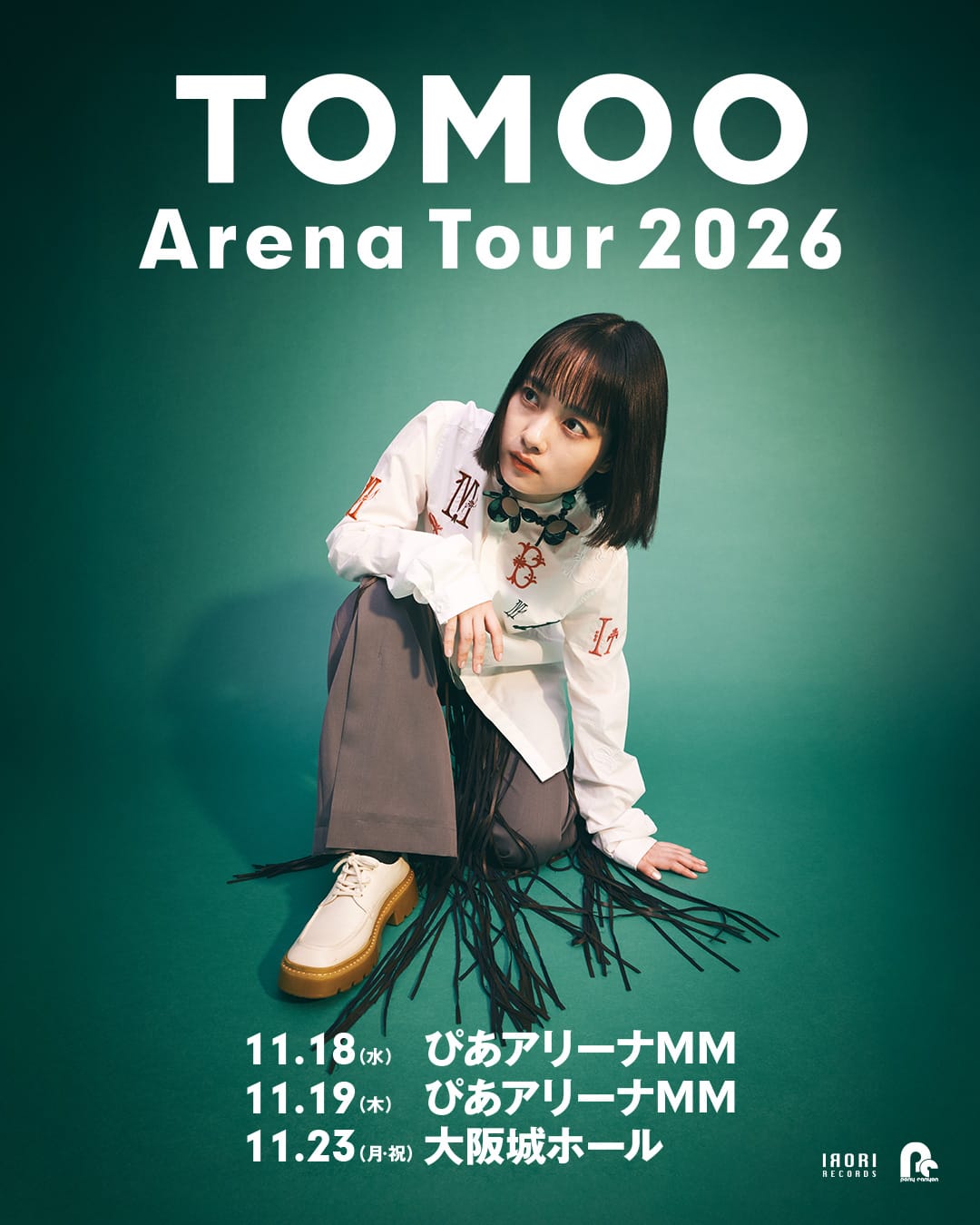
TOMOO: Our first arena tour will take place in November 2026. We're looking forward to exploring new forms of expression, such as visual effects and choreography. And we also have new songs scheduled for release in 2026, so please look forward to those as well!
回答
2026年11月に初のアリーナツアーがあります 。例えば視覚的な演出やアクションなど、なんらかの新しい表現ができるのを楽しみにしています 。そして2026年にリリース予定の新曲も控えていますので、そちらも楽しみにしていてください!
We would like to thank TOMOO-san for her kindness in taking the time to talk with us, and to her wonderful team for making this interview possible! We look forward to seeing what TOMOO-san has in store next. You can keep up with her through her Instagram, X, and YouTube.
Dive deeper into TOMOO’s musical world through “Sonare”, and explore her latest album DEAR MYSTERIES—available everywhere now!
Interviewer: Rakha Alif
Assistance: Tamara Lazic
Special Thanks: Miyuu Ishikawa and Haruka Inoue (PONY CANYON)